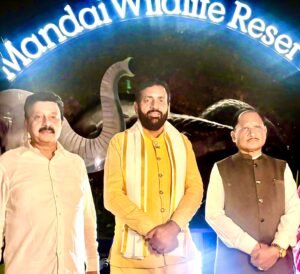
Raipur/Singapore: Chhattisgarh is exploring new ways to connect its rich forests and wildlife with international tourism. Chief Minister Vishnu Deo Sai visited the Mandai Wildlife Reserve in Singapore and reviewed its wildlife conservation practices, habitat management systems and visitor facilities.
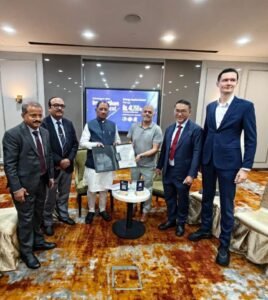
During the visit, Sai, along with Haryana Chief Minister Nayab Singh Saini, observed how wildlife conservation and tourism have been integrated at the internationally recognised reserve. The visit was part of Sai’s Singapore programme during his participation in the Singapore-India Network for Growth (SING) Forum 2026.
Chhattisgarh has vast potential for nature tourism
Nearly 44 per cent of Chhattisgarh’s geographical area is covered by forests. The state’s forests, rich biodiversity and wildlife habitats stretching from Bastar to Surguja provide a strong base for developing eco-tourism.
With national parks, wildlife sanctuaries and unique natural landscapes, Chhattisgarh has significant potential to attract visitors seeking nature and wildlife experiences. The government is looking at ways to combine better tourism facilities with conservation and local participation.
Singapore’s experience to be adapted to local needs
At Mandai Wildlife Reserve, the Chief Minister studied wildlife management, visitor experience, conservation awareness and tourism infrastructure. He emphasised that Chhattisgarh would not simply replicate the Singapore model but would adapt useful practices according to its own geographical and ecological conditions.
Bastar to Surguja can become major eco-tourism destinations
Destinations such as Bastar, Kanger Valley, Achanakmar, Indravati and Udanti-Sitanadi showcase the natural wealth of Chhattisgarh. Better coordination between conservation, modern visitor facilities and community participation could help the state build a stronger presence on the national and international eco-tourism map.
The visit to Mandai Wildlife Reserve has provided an opportunity to study an internationally recognised model and identify practices that can be adapted to Chhattisgarh’s unique natural environment.
The larger objective is to ensure that tourism grows without compromising conservation, while local communities benefit through employment, livelihood and new economic opportunities.